
About
In 2013, a friend called me to look at a koa slash pile — cuttings left behind, discarded and abandoned at an old mill site at five thousand feet, in the mountains of Hawaii Island. What started as part-time salvage turned into a working milling operation over the next decade: the slash pile first, then reclaimed logs out of the forest, deadfall, trees cleared for firebreaks, windfall after storms.
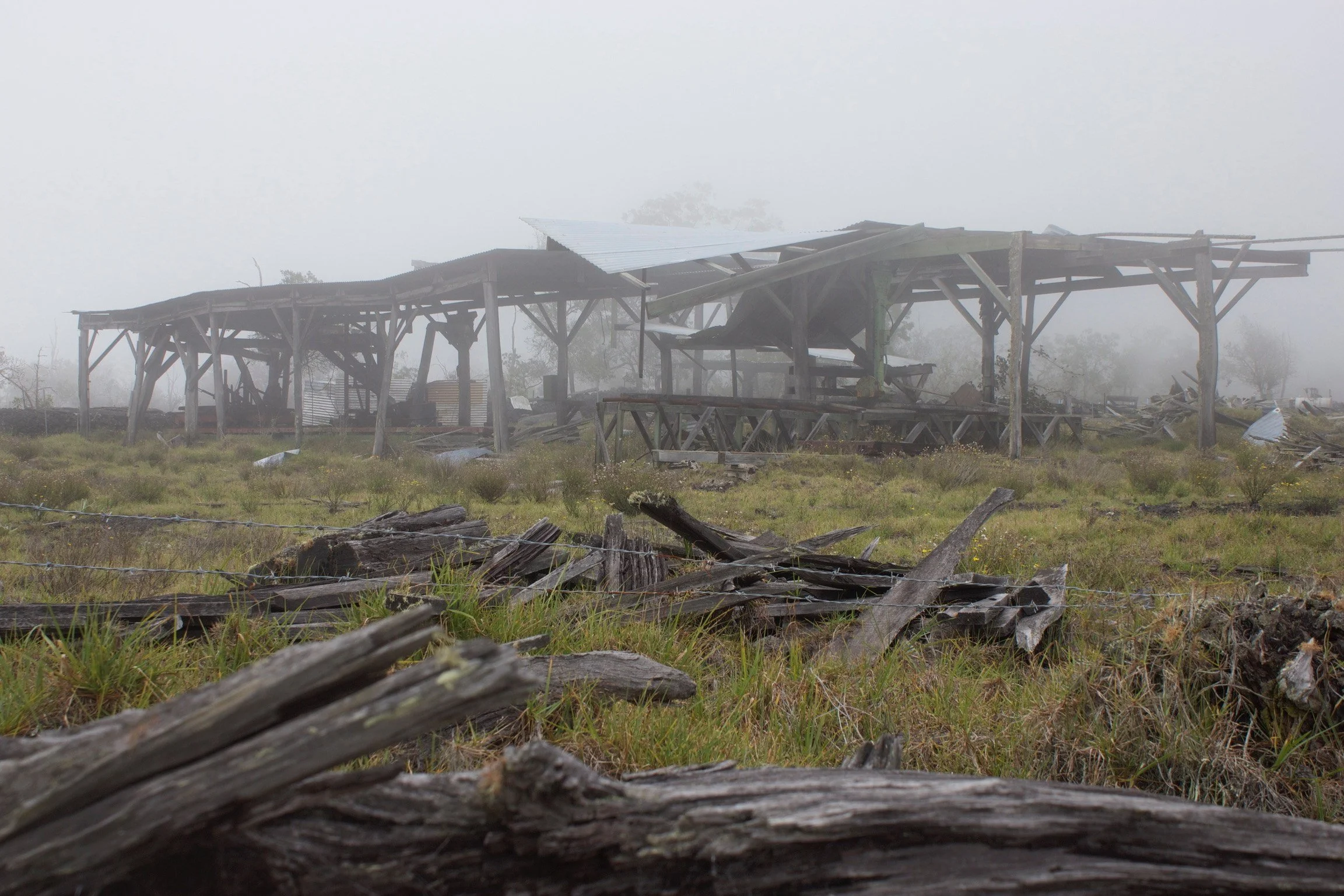
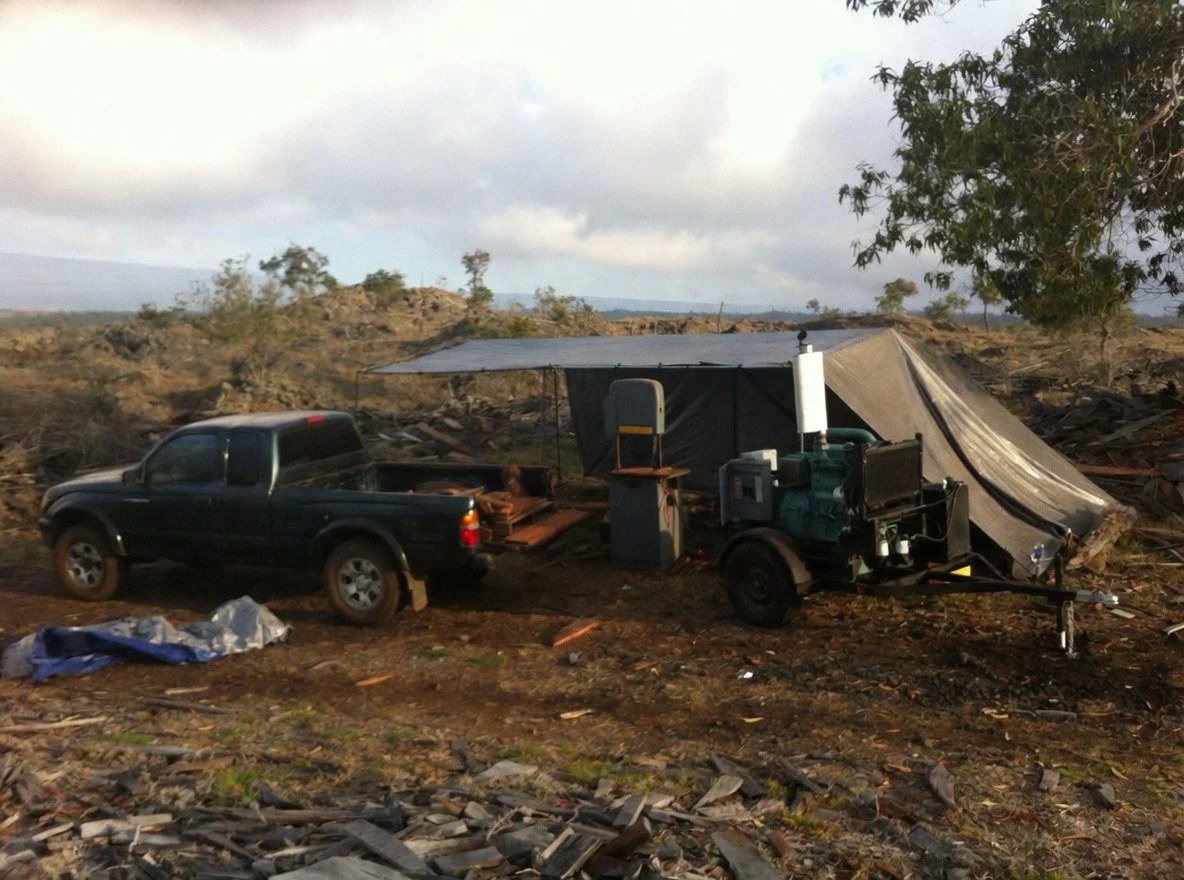
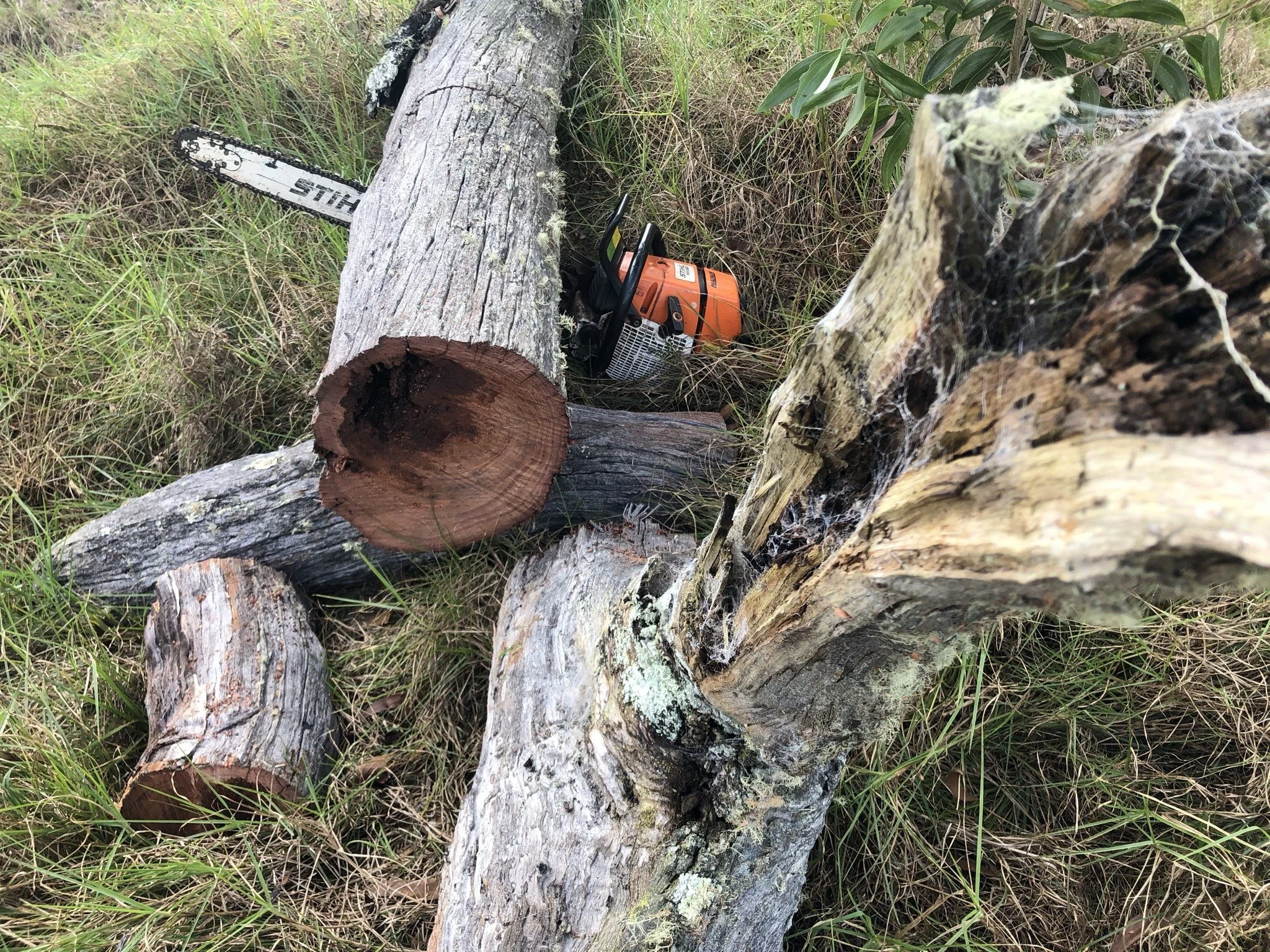
The koa came out small but exceptional, and that decided who our customers were. Most of what we milled went to ukulele and small woodwork crafters across the islands, who needed short, high-grade stock that few others were supplying.
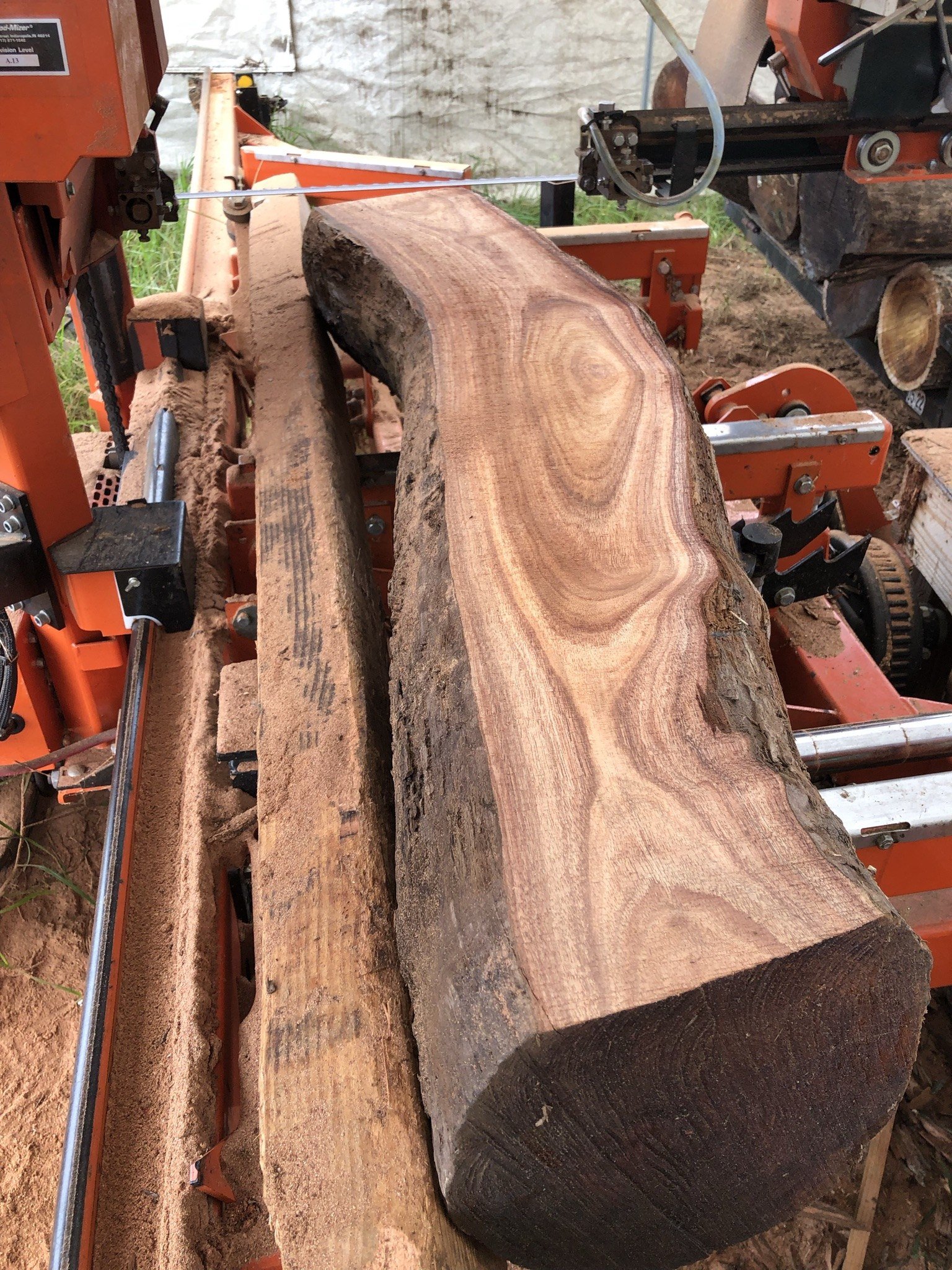
I grew up in my father's woodshop, where pieces of wood about that size were what put food on the table. So working on the mountain, I had a second commitment running alongside the first — contributing something of my own with the koa.
I knew I could make cutting boards and boxes, and I did; I made some furniture too. They put the wood to good use, but I felt it wasn't enough. Koa carries enormous weight in Hawaii and it's valued worldwide. This was some of the highest-grade koa I'd ever seen, and I needed a way to present it the way it deserved. I've spent thirteen years working out what that looks like — a day or two a week, in limited spare time, with tools mostly bought used or handed down.
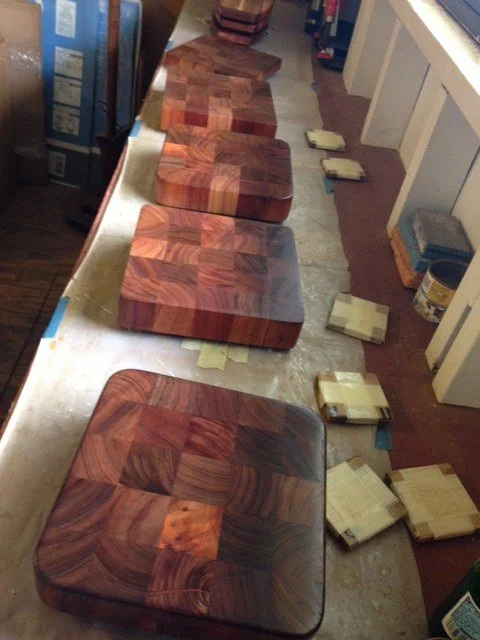
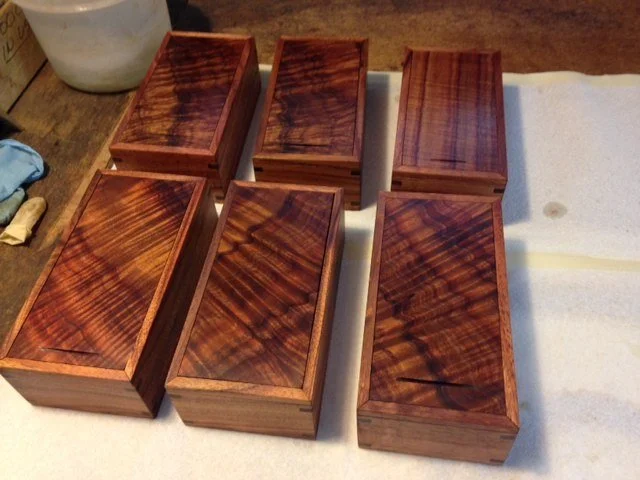
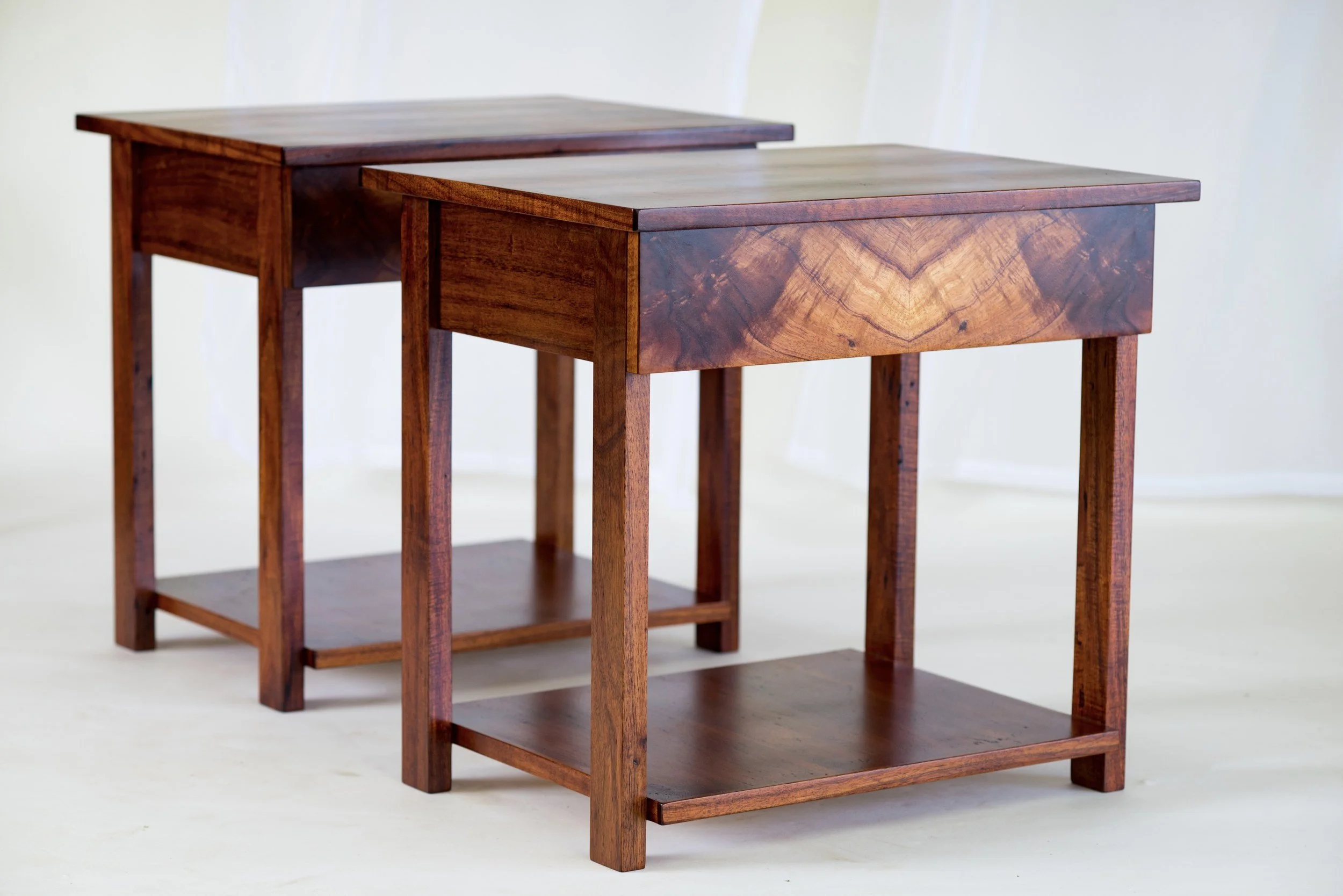
The right form took a long time to find. The first big step was walking away from function altogether. I made a veneer mosaic collage, the first thing I'd produced that wasn't meant to be used. Closer, but still missing something. The next question was whether the veneer could be cut into shapes instead of laid as mosaic, and once the shapes started repeating, it became obvious. It was print pattern work, and kapa was the form it belonged in.
I didn't study kapa and then look for a medium to put it in. I pushed the koa until it produced pattern, and then it became clear what I was making.
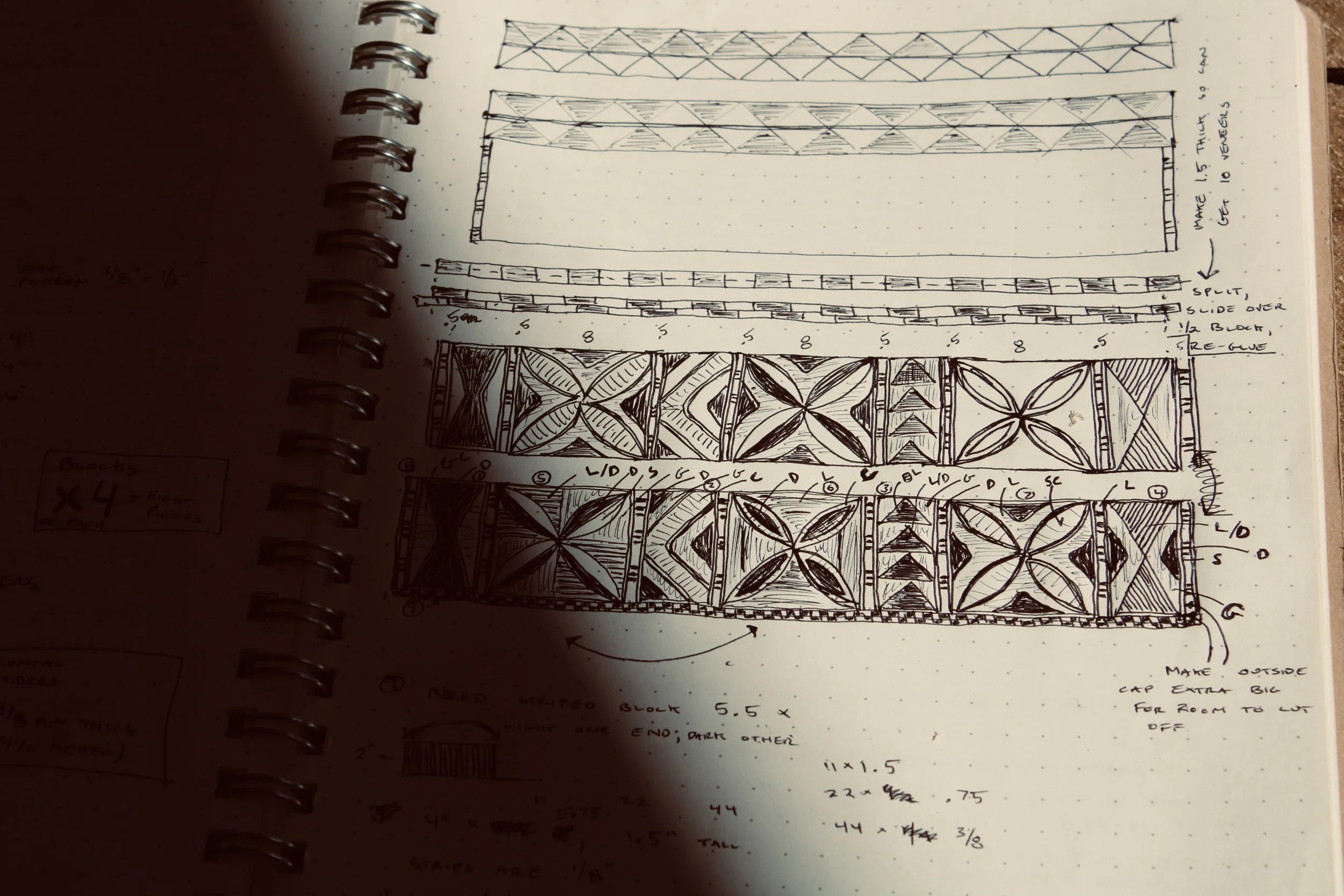
In June of 2024, eleven years in, I took my family to the Bishop Museum on the island of Oʻahu, specifically to see the kapa on display. I wanted a firsthand look at the traditional patterned cloth and how it sat against what I was making. Standing in front of the case, I read a line printed on the installation glass, in both Hawaiian and English:
Kalukalu was the tapa. The experts of Waipiʻo and Waimanu made the very best. It was like fine thin cloth that could be seen through.
I was born in Hāmākua, and those valleys on Hawaii Island were where I grew up. I surfed them and camped them and spent a large part of my childhood there, and I farmed kalo in Waipiʻo after I came home from studying art on the mainland. I knew them the way everyone here knows them — as the seat of Hawaiian kingship and farming, the ground Kamehameha was born on, the center of the lore. But I had no idea those valleys had been renowned across the islands for fine kapa. I stood in front of the glass, taking it in.
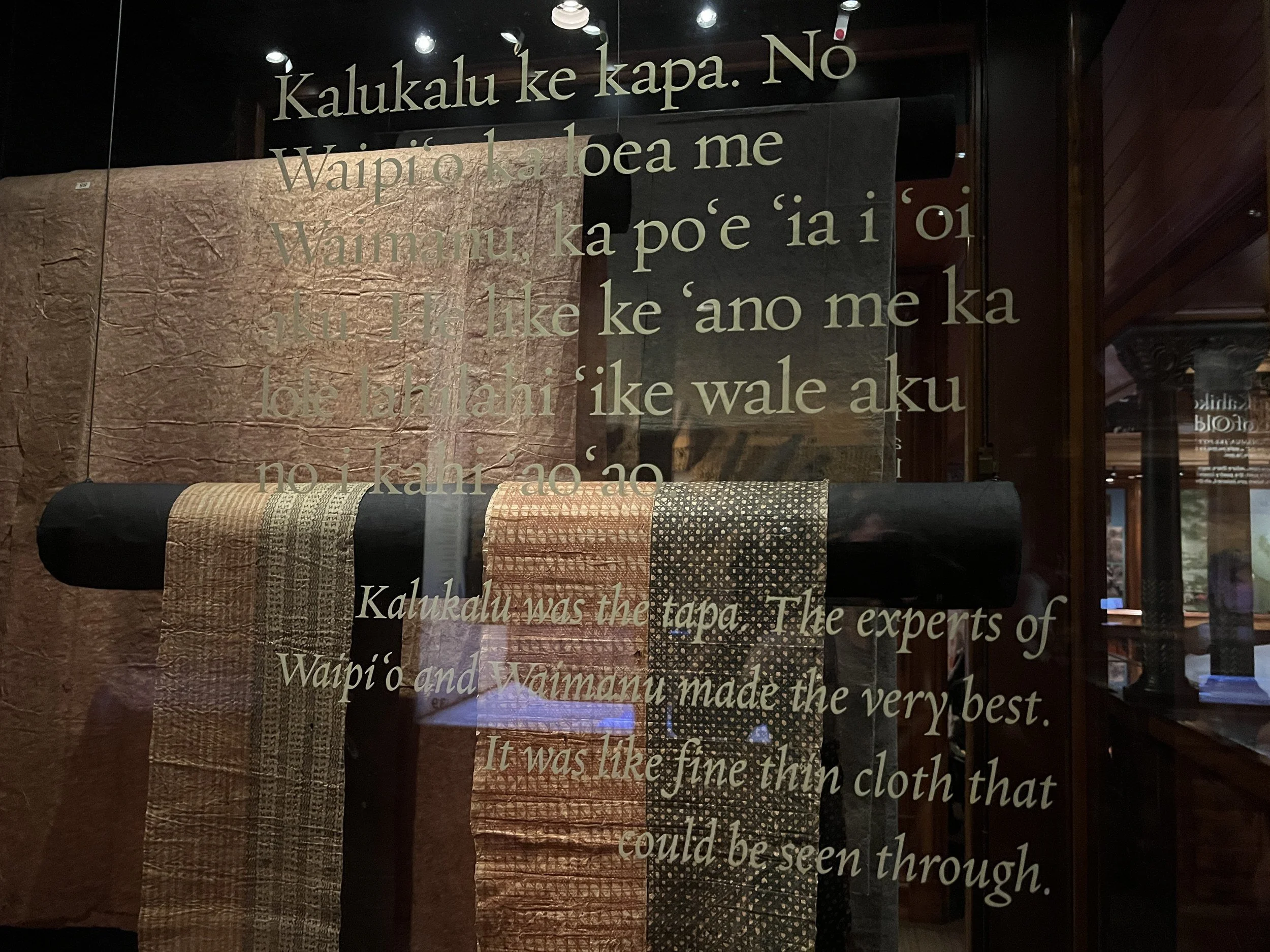
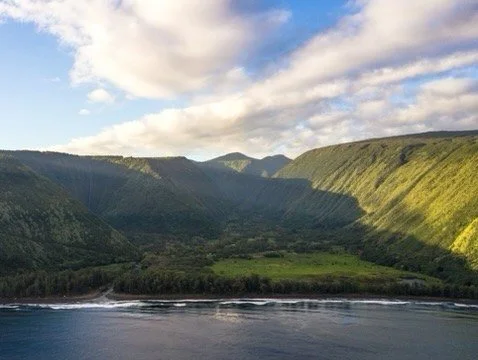
What I felt wasn't inspiration, it was recognition. A path I'd been walking for a decade, and had understood as more or less random, ran back through time to the very place of my childhood.
Later that year I entered a piece in Hawaii's Woodshow, ʻUpena — the Hawaiian throw net, worked in a range of koa: old growth, figured, and white sapwood. Hands throwing nets into the sea, communities bound by shared resources, kapa pattern bridging textile and timber. It took Best of Show.
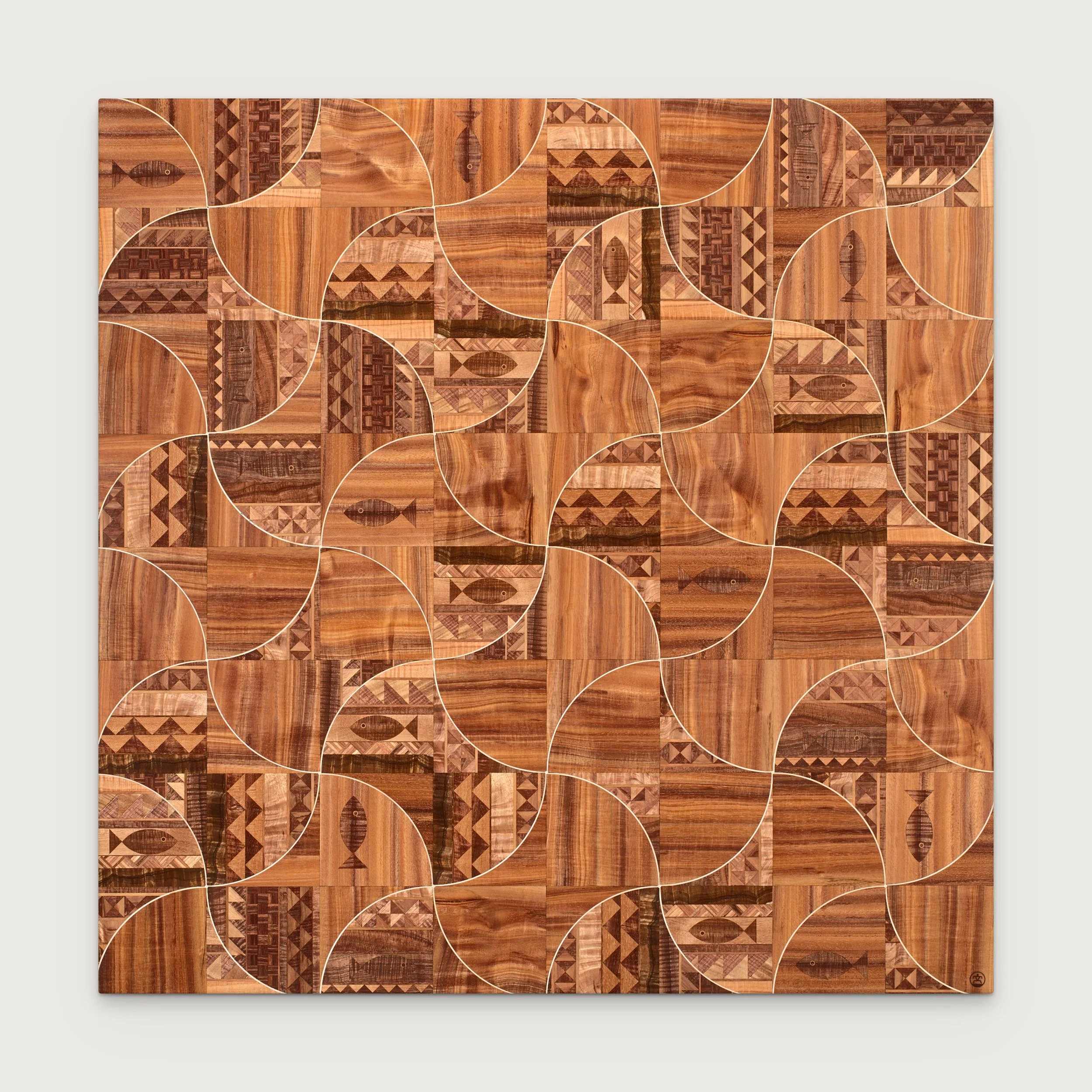
Photo courtesy of Brad Goda Photography
What I'm doing, I realize now, is carrying print pattern into a new medium, cut in wood instead of stamped onto bark cloth, and I'm still finding out what that medium makes possible.
A kīpuka is a place a lava flow passes around and leaves intact. It holds the last evidence of what the landscape was before the flow erased everything else, and it holds the seed stock that repopulates the new land. The story of Hawaii could be understood as a series of kīpukas. Each era brought great change, and each new one grew from what remained of the last.
That idea is where the one rule for this work comes from, and it took me years to see it. The boundary is place, not period. The identity of every piece stays kapa and the culture of Hawaii, and everything else layers on top of that. Chinese, Japanese, Filipino, Portuguese, plantation-era and modern American influences are all legitimate, because those cultures have grown here and their seeds have become part of Hawaii's story.
The connection of the kīpuka is also literal. Much of the koa in these panels came out of actual kīpukas, from trees that stood a century or more, fallen of natural causes, slowly deteriorating for decades until we recovered what was still sound.
I left the milling business some years ago. I later learned that the land we worked on was sold and the old mill site cleared. The place where all of this started has been erased as completely as a flow would have erased it.
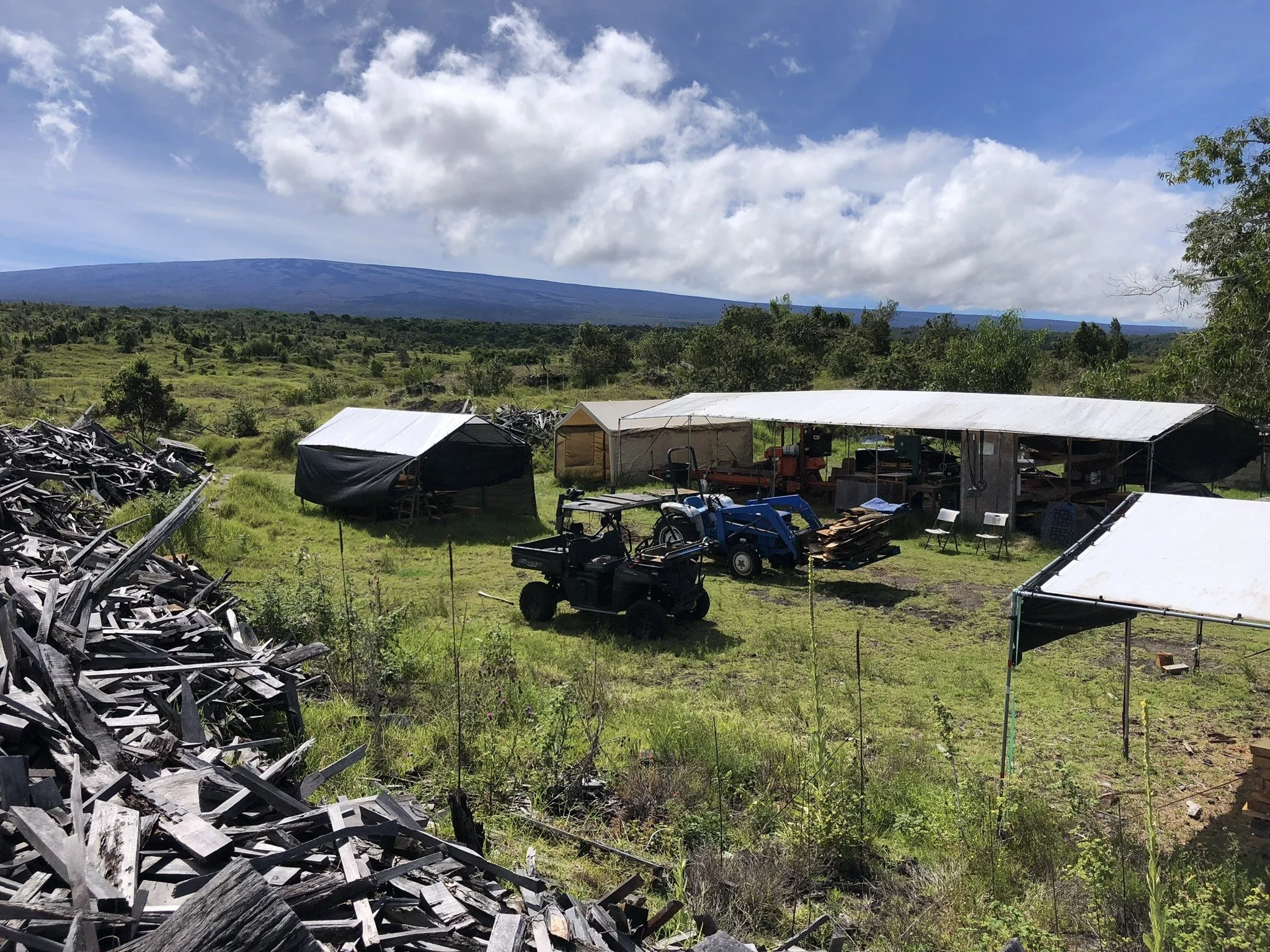
Kipuka Art is now the kīpuka of that time and place. It isn't geographic anymore, because the geography is gone. It's what survived — the memory and the seed stock of what will come from it.
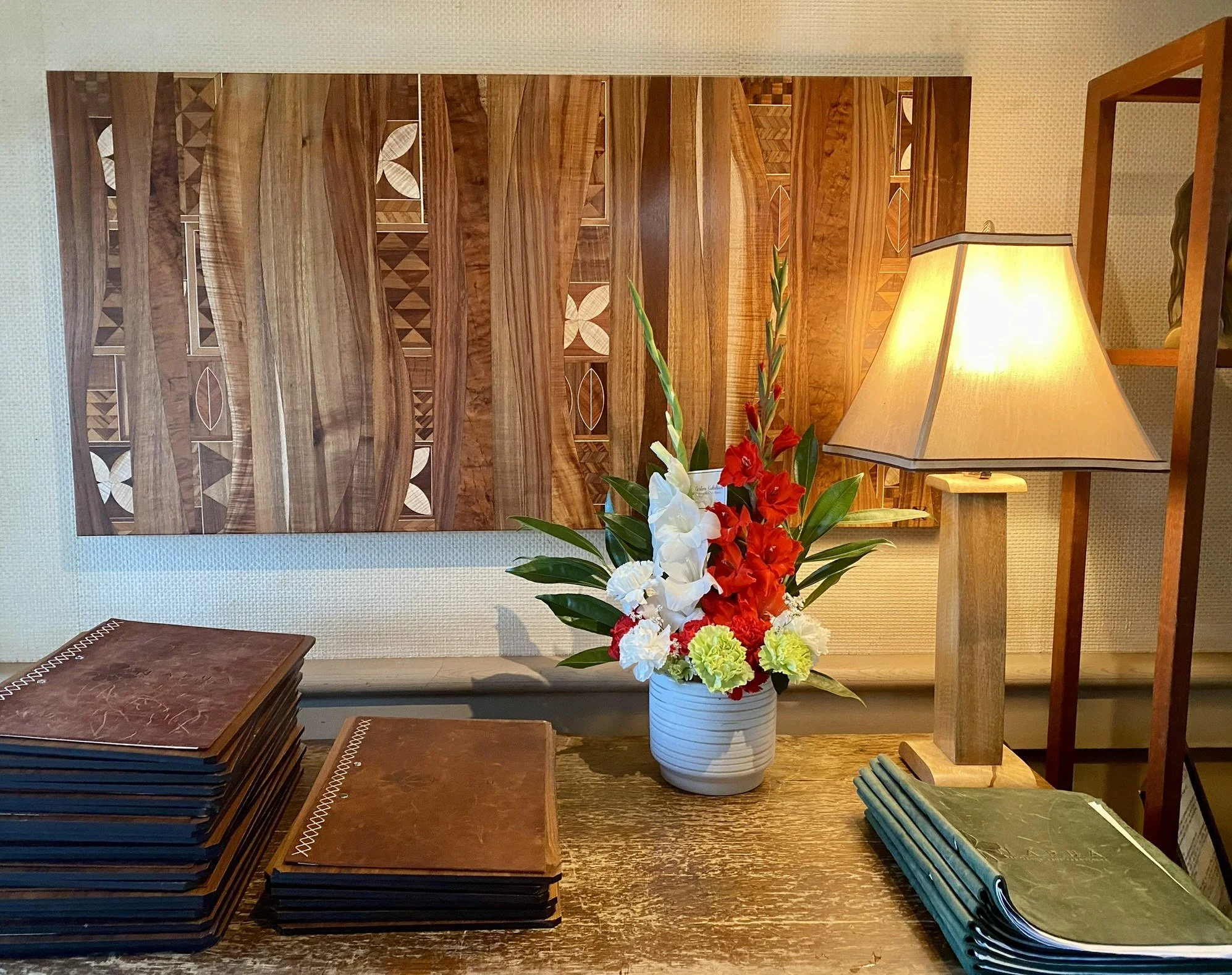
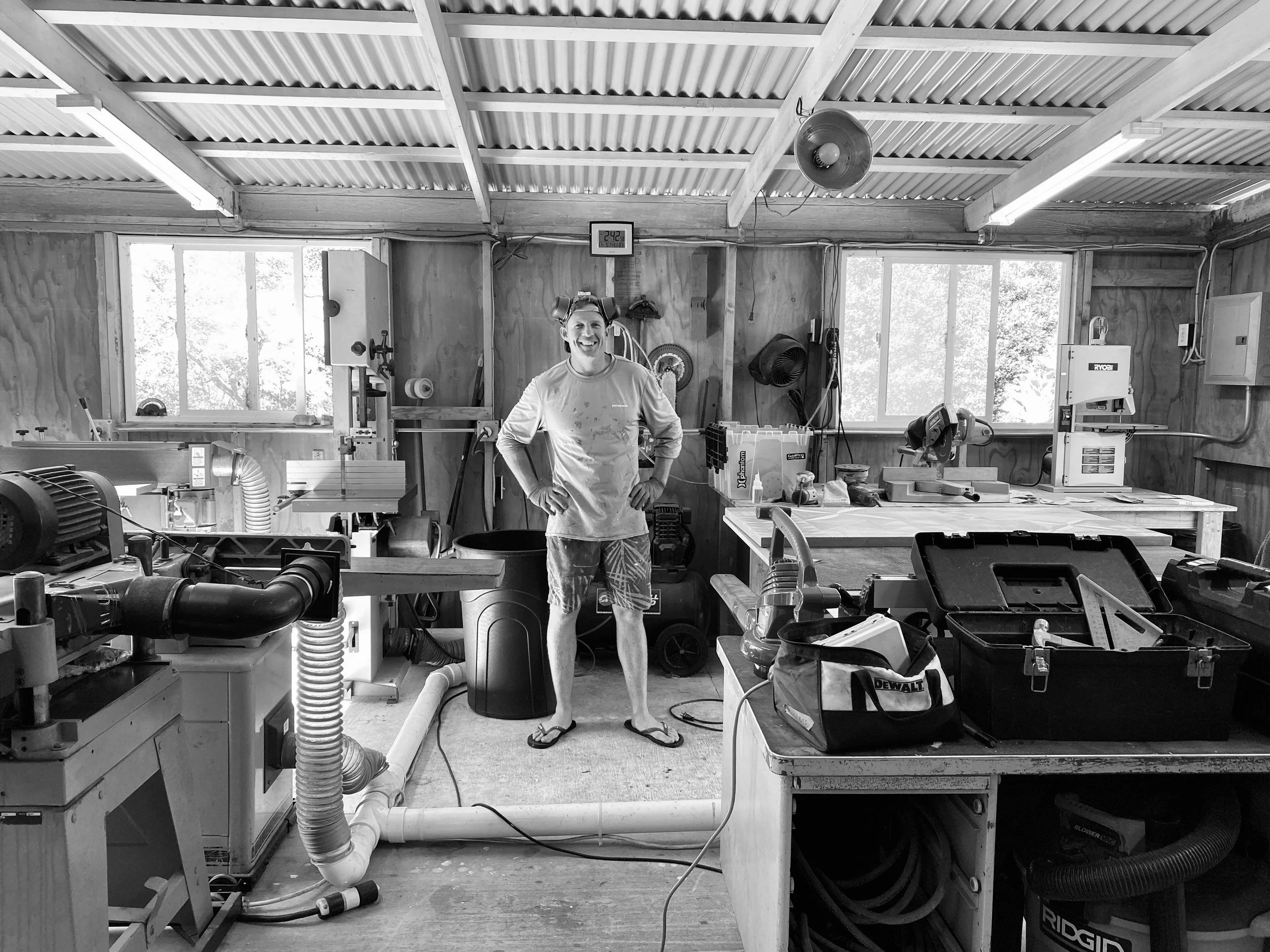
The panels I make are documented here, sold and unsold alike. Available pieces are marked as such. If you'd like to know more about a piece, write to me. I answer my own email.
Winter Anderson lives and works on Hawaii Island. BFA. Best of Show, Hawaii's Woodshow 2024.